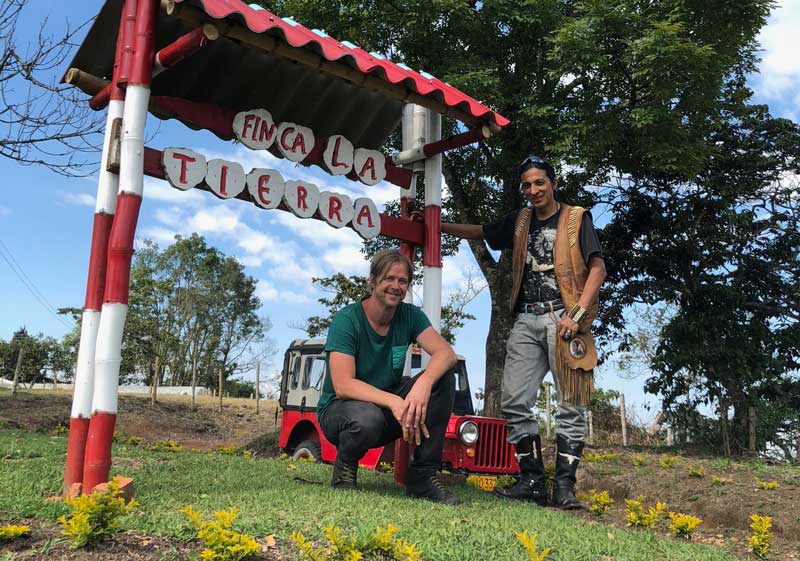
Finca La Tierra is our own coffee farm in Cauca, Colombia. When we bought the farm in 2015, it was quite run-down, but we wanted to learn what growing coffee really involves. Johan has travelled to many coffee-producing countries and walked more miles on coffee farms than most. Running a farm yourself, however, is something else entirely. It takes hard work and wholehearted commitment.
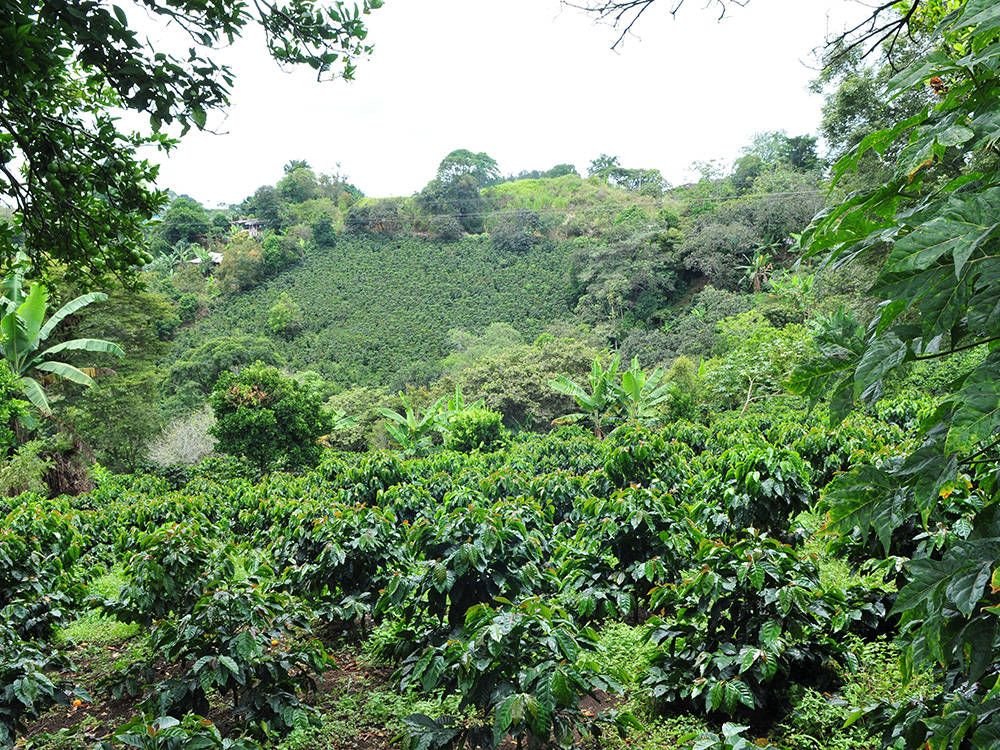
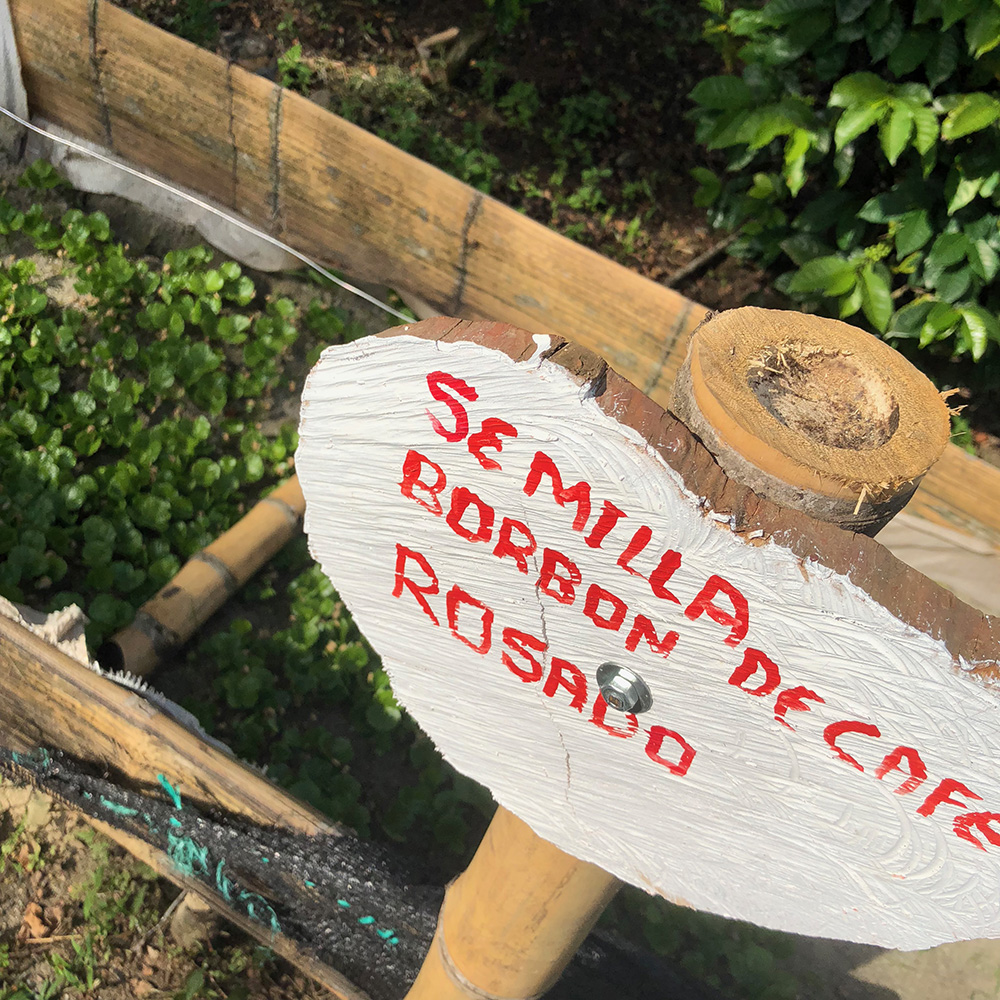
Our goal with Finca La Tierra is to learn everything we can about growing coffee while exploring how best to develop the farm. When we bought it, the farm mainly grew commercial coffee varieties. Many of the plants were old and susceptible to disease, and we have since replaced them with a wider range of varieties, including Bourbon, Pink Bourbon, Tabi and Pacamara. We have also planted several hectares of Geisha.
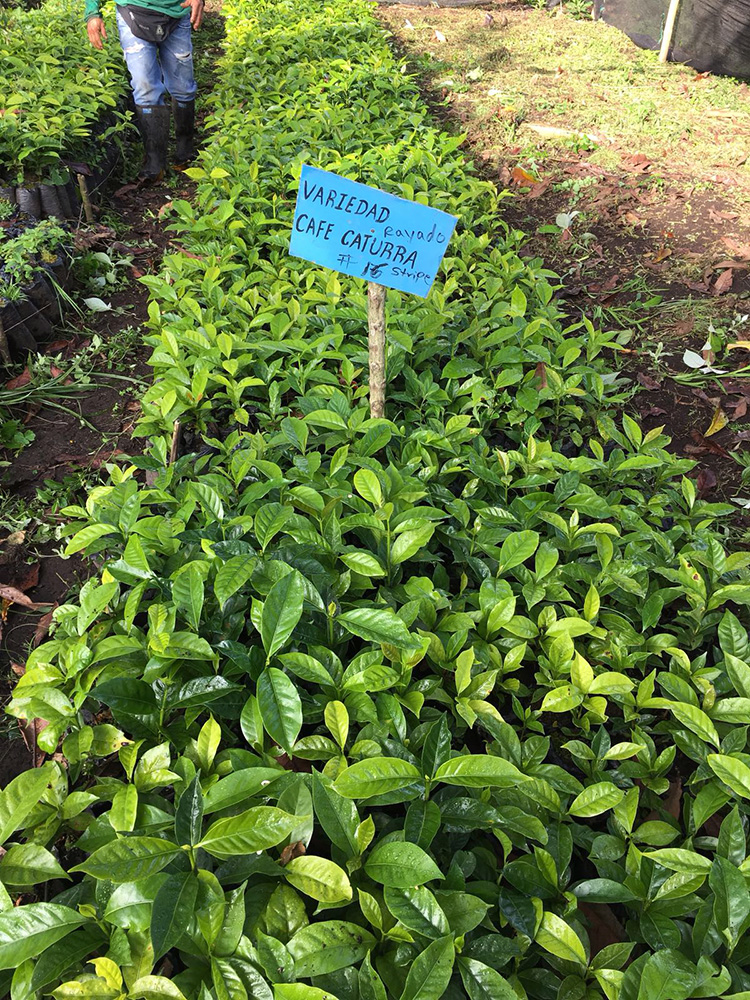
We have also planted shade trees to create a more stable microclimate and reduce stress on the coffee plants. To nourish the soil, we use cow manure and other natural fertilisers. We have also established a variety garden, which currently features 15 different coffee varieties. Here, we explore which ones thrive in our climate and produce the best-tasting coffee.
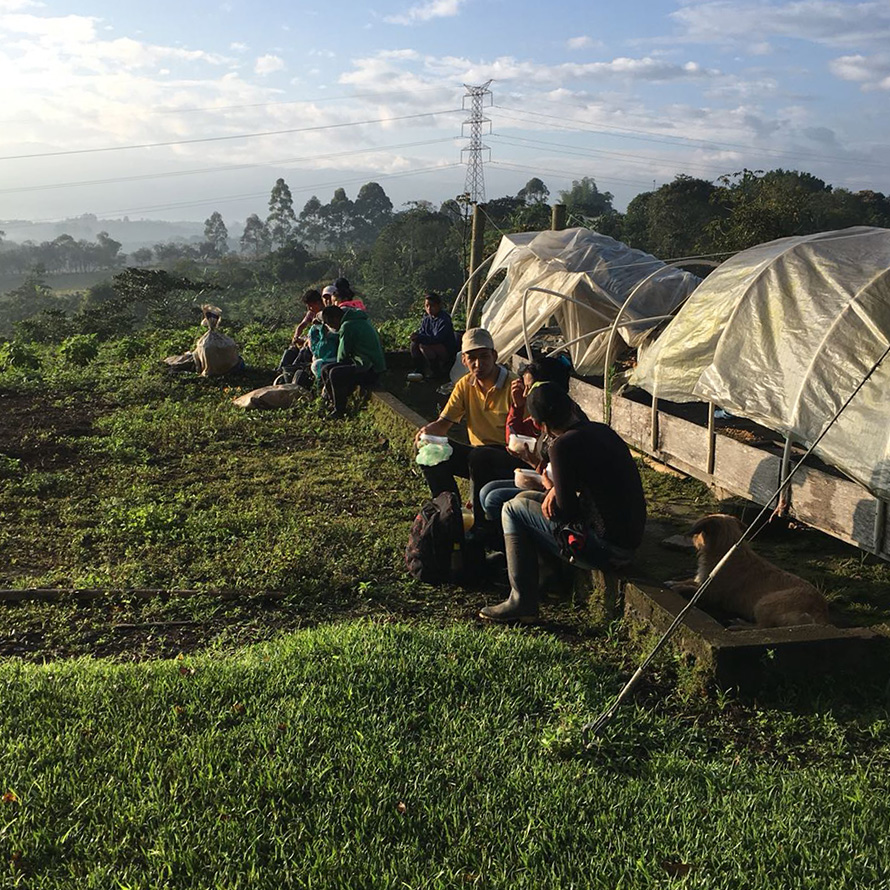
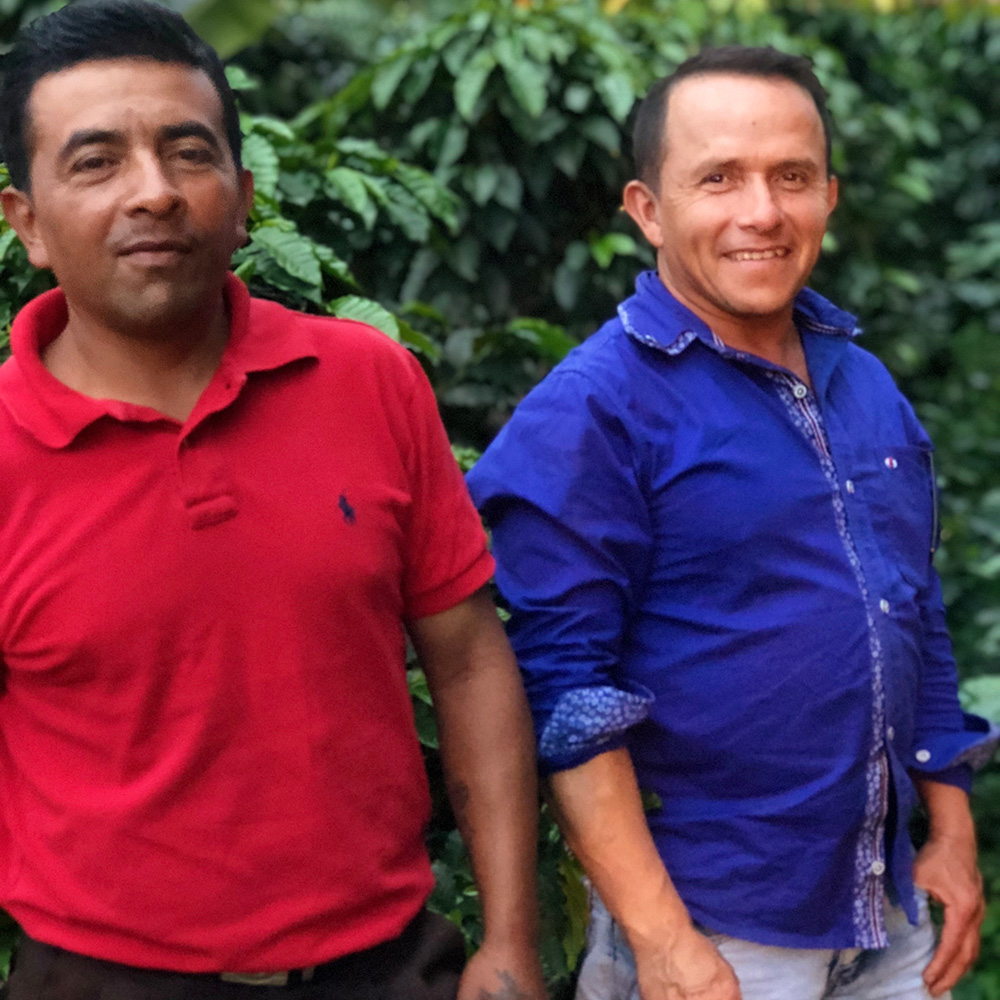
We own the farm together with Heber Sarria, a familiar name to many coffee lovers. None of this would be possible without him taking full responsibility for the day-to-day running of the farm. Running a coffee farm requires both knowledge and a hands-on presence—working on the farm yourself, being there for the team and inspiring them in their daily work. Today, Heber lives with his family at Finca La Tierra.
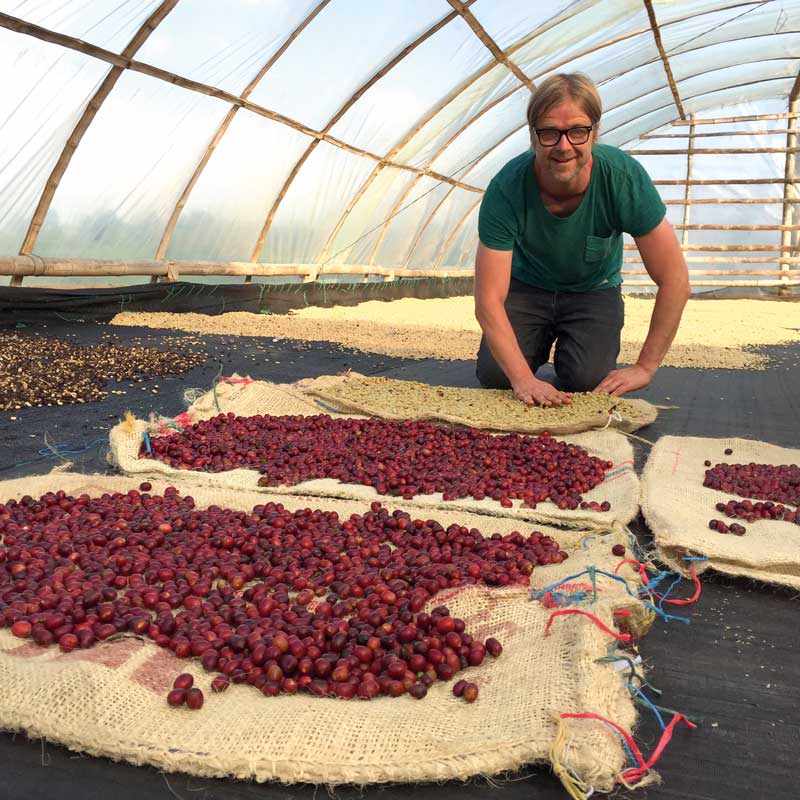
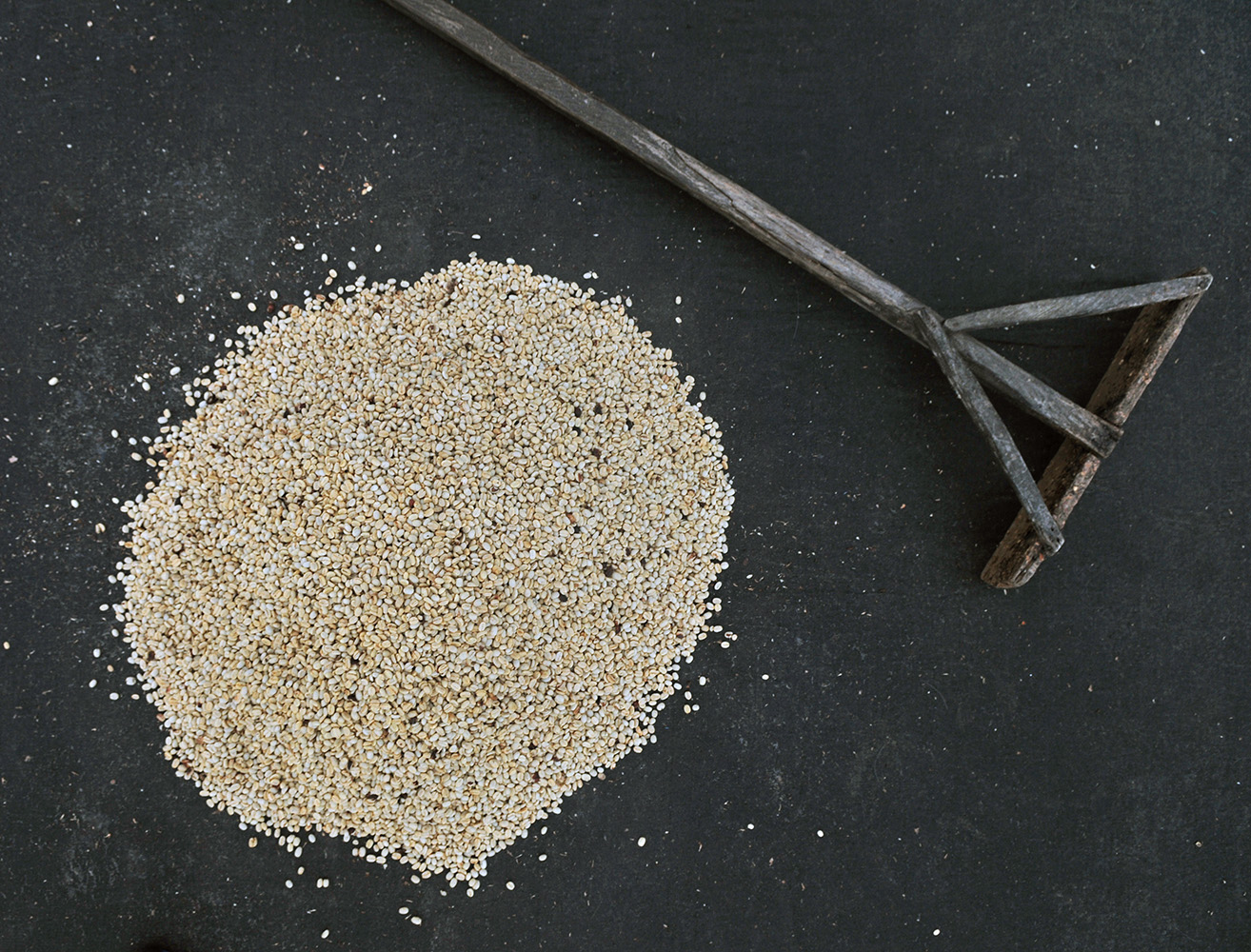
Since buying the farm, we have worked hard to develop it and improve the quality of the coffee we grow. We started by building new drying beds to give us better control over the drying process. Our biggest investment has been in new machinery that allows us to monitor and control every stage of processing, right up until the coffee is packed into jute bags for export.
All the coffee we produce at Finca La Tierra is now divided into microlots, with each variety kept separate and processed individually. We dry the coffee in the whole cherry and experiment with different processing methods, particularly anaerobic fermentation. There is a strong sense of curiosity and enthusiasm for trying new things on the farm.